
Home / Blog / Running Poker Bots on Servers: How Bot Farms Work and Why They Fail
Running Poker Bots on Servers: How Bot Farms Work and Why They Fail
Bot farms — collections of automated accounts running on remote servers — have existed in online poker for more than a decade. This article examines how such farms are typically organised, why detection systems catch most of them, and why the economics usually turn negative for the operators. It is an analytical overview, not a guide to building or running bots.
What a poker bot farm is
A bot farm is a set of accounts controlled by software rather than by human players. The software makes the betting decisions (often using solver-derived strategies or simpler heuristic engines) and the accounts are kept online for long sessions. Farms range from a handful of seats run by one person to dozens or hundreds of seats managed by a small team.
The goal is simple: generate volume at a cost lower than the expected win-rate plus any rakeback, then extract the profits. In practice the cost side and the detection risk almost always rise faster than the operators expect.
The server & emulator setup
Modern farms rarely run on the operator’s home computer. The usual architecture uses virtual private servers (VPS) or dedicated machines located in data centres, combined with Android emulators or virtual machines that host the poker-app clients. Each “seat” needs its own environment so that device fingerprints and IP addresses do not immediately collapse into a single cluster.
Operators attempt to disguise the infrastructure with residential proxies, mobile-IP services, randomised GPS locations and modified emulator settings. Session lengths, mouse or touch timing, and even battery-level simulations are adjusted to look less mechanical. None of these measures is perfect; they only raise the cost and complexity of staying undetected.
This article deliberately stops at the architectural level. Detailed configuration steps, specific software names for evasion, or instructions on how to bypass current detection would cross into assistance that is neither useful for legitimate players nor appropriate.
How operators detect farms
Detection works in layers. At registration and login, platforms examine IP type (data-centre versus residential), device fingerprint consistency, emulator artefacts, and correlations across multiple accounts. During play they look at timing distributions, bet-sizing patterns that match known solvers too closely, multi-accounting graphs, and sudden volume spikes from previously quiet accounts.
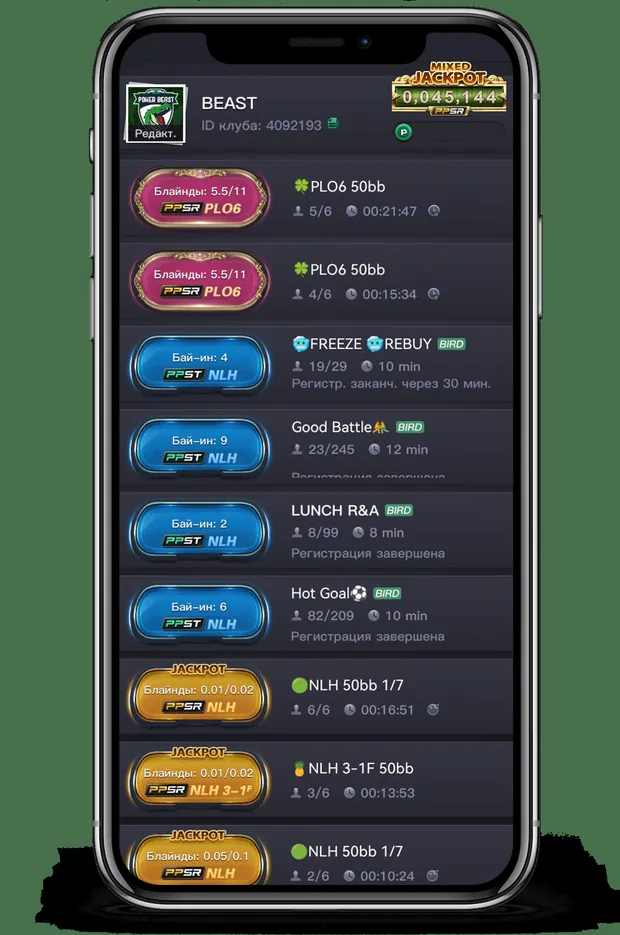
Public cases illustrate the outcome. In recent years major rooms have closed hundreds of accounts at a time, returned six-figure sums to affected players, and published summaries of the enforcement actions. Club apps, although smaller and more fragmented, apply similar device and behavioural signals; the quieter environment can actually make mechanical play stand out more clearly to human reviewers and to the clubs themselves.
Once a cluster is flagged, balances are frequently confiscated and the underlying payment or identity information is blacklisted, raising the cost of rebuilding.
Why bot farms lose money
Even when a farm avoids immediate detection, the economics are harsh. Server and proxy costs scale with the number of seats. Emulator and anti-detect tooling requires constant maintenance as platforms update their checks. Account acquisition (documents, phone numbers, aged profiles) is itself a recurring expense. Rake still applies, and many clubs reduce or remove rakeback for suspicious volume.
When detection finally hits — and it usually does — the confiscated balances and the lost future volume erase earlier profits. Public examples from large networks (including multi-hundred-account takedowns and six-figure player reimbursements) show that the house edge against farms is enforced both by software and by policy. Smaller club environments add another risk: a single vigilant club owner or union can freeze an entire down-line overnight.
The net result for most operators is a high-risk, high-maintenance activity whose expected value is negative once realistic detection and capital costs are included.
What this means for X-Poker players
For ordinary players the practical takeaway is modest. Bot farms exist, they are expensive to run, and both large rooms and many club operators actively try to remove them. Completely bot-free tables cannot be guaranteed on any real-money platform, but the incentive structure and detection pressure keep the density lower than popular imagination sometimes claims.

FAQ
Are bot farms common on club apps?
They exist, but the combination of smaller traffic, club-level scrutiny and the cost of maintaining clean infrastructure keeps large-scale farms less profitable than on the biggest public networks.
Can a farm run undetected for years?
Long-term undetected operation at meaningful volume is rare. Detection systems improve continuously, and the cost of staying ahead of them rises.
Do platforms return money taken by bots?
Larger rooms have publicly reimbursed players after major bot-ring busts. Club-app practices vary by union and club; there is no universal guarantee.
Should I try to run bots myself?
From both an economic and a rules perspective the answer is no. The expected value is negative for most participants, and using automated play violates the terms of virtually every real-money poker platform.
For the main site overview see the X-Poker home page. Adults only. This content is independent and is not published by the operator. Gambling involves risk of loss. This article does not provide instructions for operating prohibited software.

Heidy Tan J. — poker writer and club-app player
Heidy Tan J. is the name under which our author writes. She has played club-based poker apps since 2021 and X-Poker since November 2024, and writes about club-app poker in the Philippines, deposits and withdrawals via GCash and Maya, and player safety in private clubs. About the author and her experience.
Independent editorial guide — we are not the operator of X-Poker. This site earns from partner offers. Gambling involves risk; play only what you can afford to lose. Adults only.